 Math101 · Independent Ontario learning library
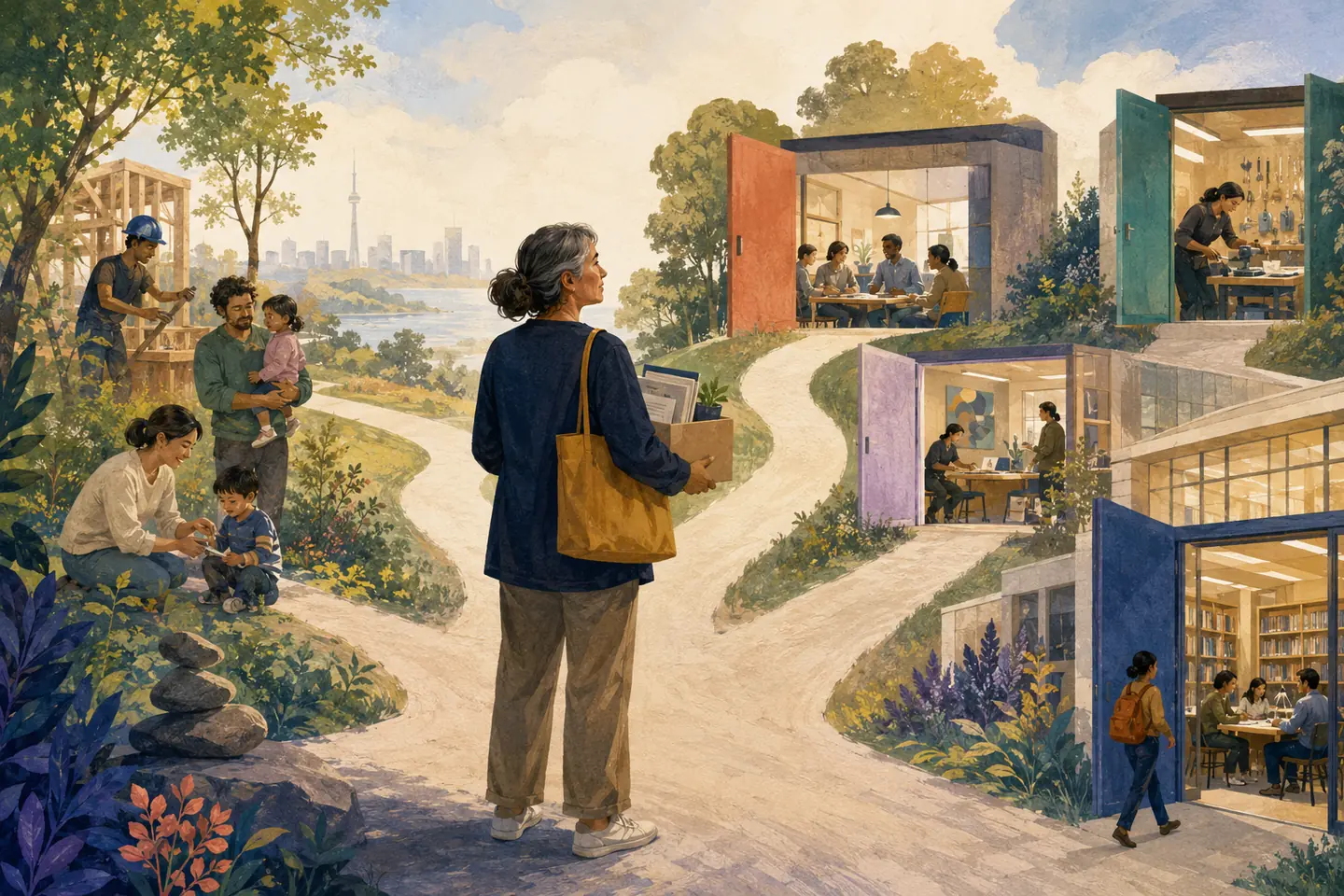
“Mature student” is not one province-wide admission rule. Ontario colleges, universities, adult schools, and funding programs use their own definitions and requirements.
The right first question is not “Am I mature?” It is “What is the exact entry route for this program, and which prerequisites still apply?”
Route 1: finish or upgrade the OSSD
Adult high schools and continuing-education programs can assess existing credits, discuss prior-learning processes, and identify remaining diploma or prerequisite work.
This route is useful when:
- the OSSD is incomplete
- specific 4U/M or college-preparation courses are missing
- prior marks no longer represent current ability
- the target institution requires formal secondary prerequisites
Route 2: college as a mature applicant
Ontario Colleges explains general admission requirements and returning-learner resources. A mature category does not automatically remove program prerequisites. Competitive or regulated programs can require specific English, math, science, testing, portfolios, or experience.
Route 3: academic upgrading
College academic-upgrading programs can help learners build English, math, science, digital, or study skills for college, apprenticeship, or employment. Ask whether the upgrading course is recognized for the exact destination program.
Route 4: university mature-applicant process
Definitions vary widely by university and faculty. Some consider age, time away from full-time education, previous postsecondary study, and prerequisite completion. Read the institution’s page for your applicant category and contact admissions.
Previous postsecondary attendance can change the category. Do not omit it because the grades are old; institutions require complete academic history.
Documents to collect
- high-school transcript or credit summary
- every college or university transcript
- course outlines when transfer credit may be requested
- identification and status documents
- employment or training records if relevant
- current prerequisite list for the target program
- documentation for accessibility or extenuating-circumstances processes
A decision sequence
- Choose one destination program.
- Ask admissions which applicant category applies.
- List missing prerequisites and competitive requirements.
- Have prior education formally assessed.
- Compare the shortest credible preparation routes.
- Check OSAP and other funding eligibility for each route.
- Add a second destination path in case timing changes.
Avoid these assumptions
- “I am over 21, so prerequisites do not matter.”
- “College automatically transfers into second-year university.”
- “My old credits disappeared.”
- “Work experience automatically becomes academic credit.”
- “Online upgrading is accepted identically everywhere.”
Each may be true in a particular formal arrangement and false elsewhere.
Is 19 the mature-student age everywhere?
Ontario Colleges uses general mature-applicant language around applicants who are 19 or older without an OSSD, but individual program requirements still apply. Universities can use different definitions. Verify the institution.
Can I get OSAP for upgrading?
Funding eligibility depends on the institution, program, course load, and application type. Ask the program and financial-aid office before enrolling; do not assume every non-credit upgrading route is OSAP-eligible.
Will universities ignore my old college grades?
Usually institutions require disclosure of all prior postsecondary study and decide how it affects admission. Ask the university rather than applying as though the history does not exist.
